
Dashboards don't make decisions. Decision intelligence does.
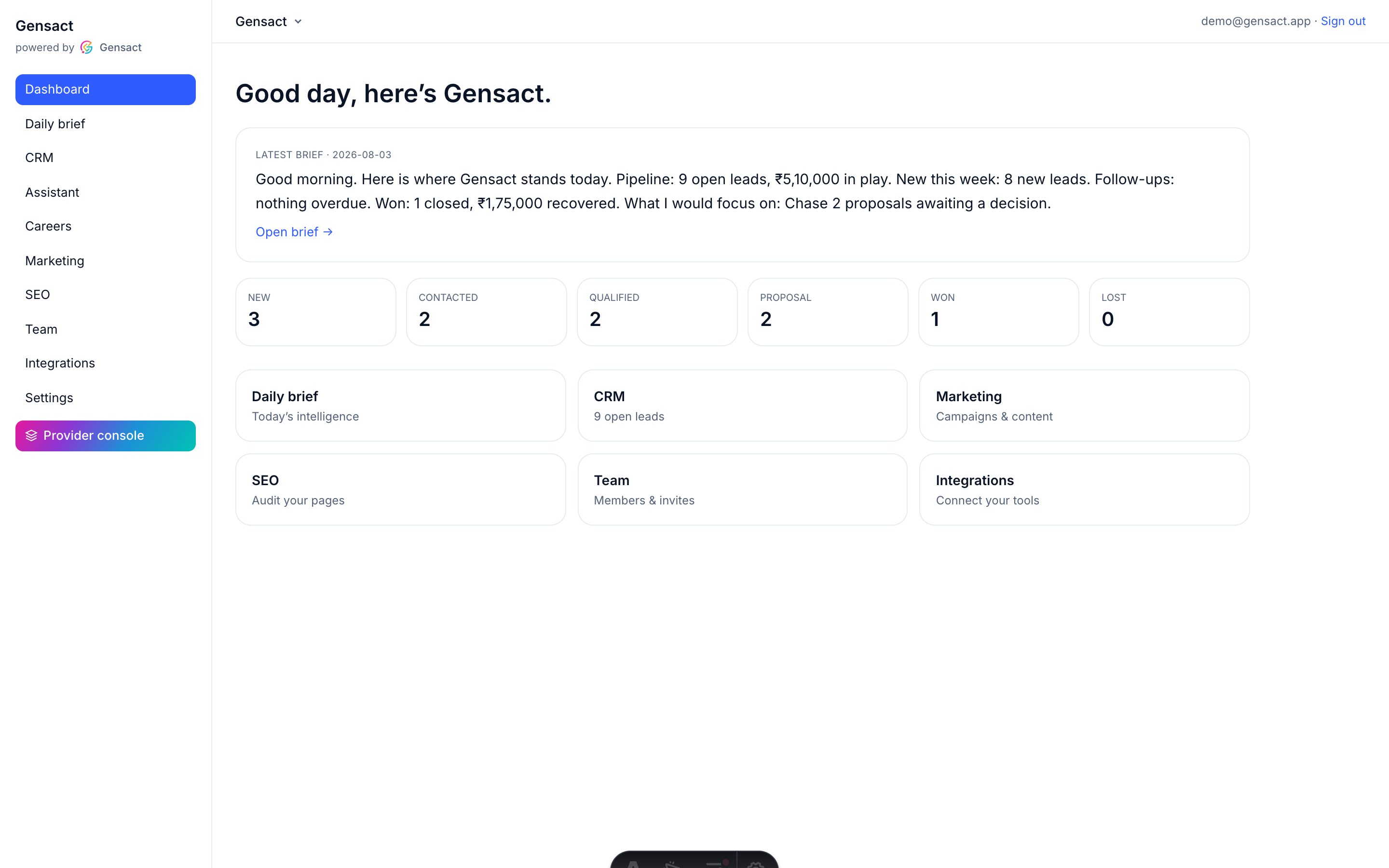
Walk into any company today and you will find more dashboards than decisions. Sales has a pipeline view. Finance has a live P&L. Marketing has attribution down to the click. Never has a business been able to see more about itself. And yet the question that actually moves the company — so what do we do? — still lands on a tired human at the end of the day.
Seeing is not deciding
A dashboard is a mirror. It shows you the business as it is, beautifully, in real time. But a mirror has never once told anyone what to do next. It reflects the problem back and quietly hands the hard part — interpretation, judgement, the decision itself — back to you.
The work a dashboard leaves undone
Between the chart and the choice sits a stack of invisible labour: notice the anomaly, work out whether it matters, weigh the options, decide, and act before the window closes. Dashboards do the first ten percent and leave the rest. That remaining ninety percent is where companies actually win or lose.
What decision intelligence adds
Decision intelligence is the layer that does the undone work. It sits above the systems you already run and, continuously, it:
- Observes every function, not one dashboard at a time.
- Diagnoses what is actually wrong, separating signal from seasonal noise.
- Predicts what is coming while there is still time to change it.
- Recommends the specific move, in plain language.
- Acts on it, when you trust it to.
From report to move
The difference is a single sentence. A dashboard says “revenue is down six percent.” A decision engine says “these three accounts are going quiet; call them today, the dip everywhere else is seasonal.” One reports. One decides. That gap is the whole opportunity — and it is the reason we built Gensact.